


Platform Evaluated: PC (GOG)
PC Specs: Ryzen 5 9600X | XFX Radeon RX 9070 | 32GB DDR5 RAM | 1080p
Developer: Capcom
Publisher: Capcom
Release Date: April 30, 2002 (GameCube Original) / October 30, 2025 (GOG Release)
MSRP: $19.99
Recommended Version: PC (GOG or Steam)
Disclosure: Copy purchased by reviewer.
Overview
Resident Evil HD Remaster revitalizes Capcom’s 2002 GameCube masterpiece with HD visuals, modernized control options, and complete achievement support. Released DRM-free on GOG, this version gives PC players the definitive way to experience a survival horror masterpiece with complete digital ownership.
Visuals & Technical Performance
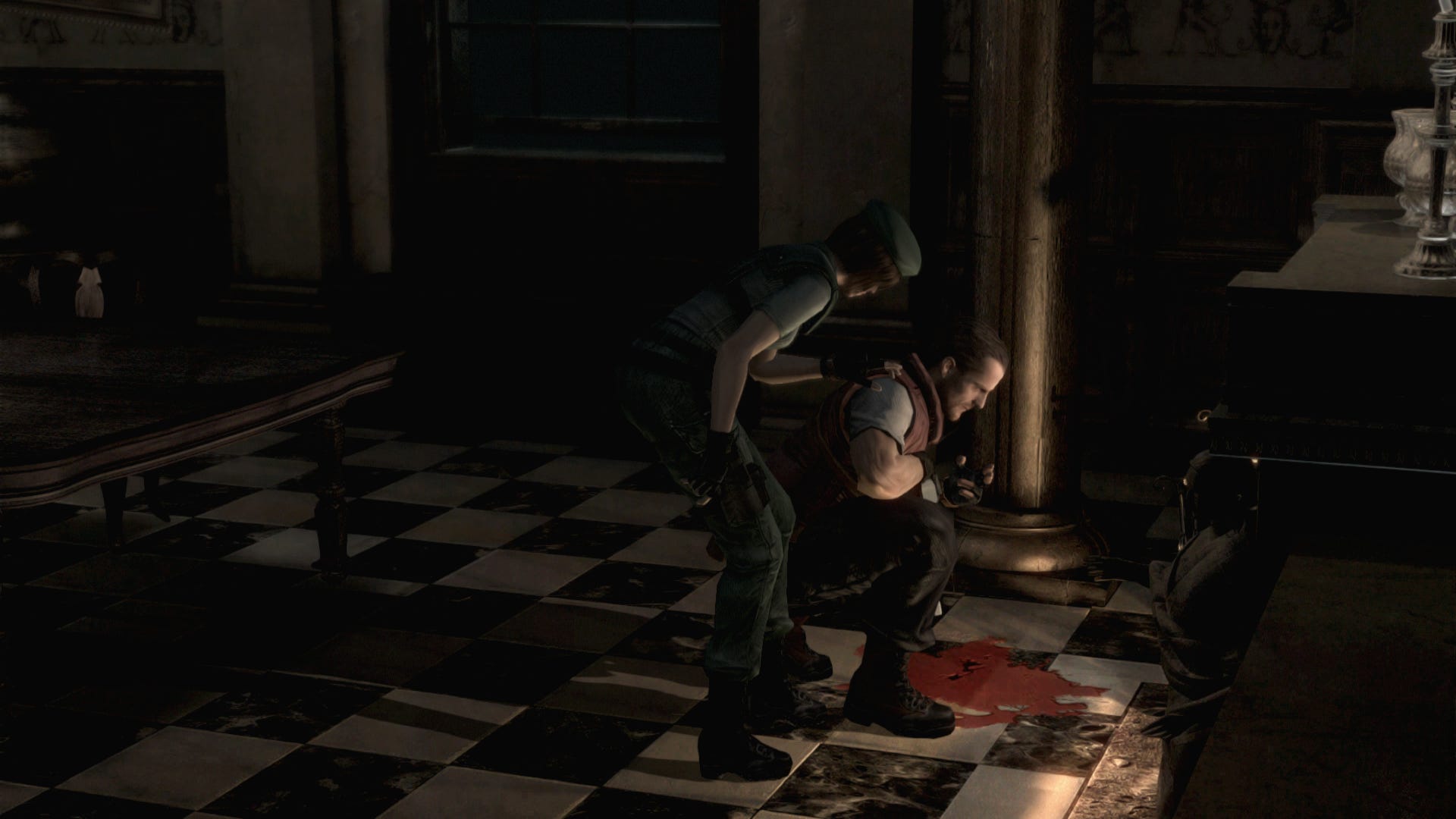
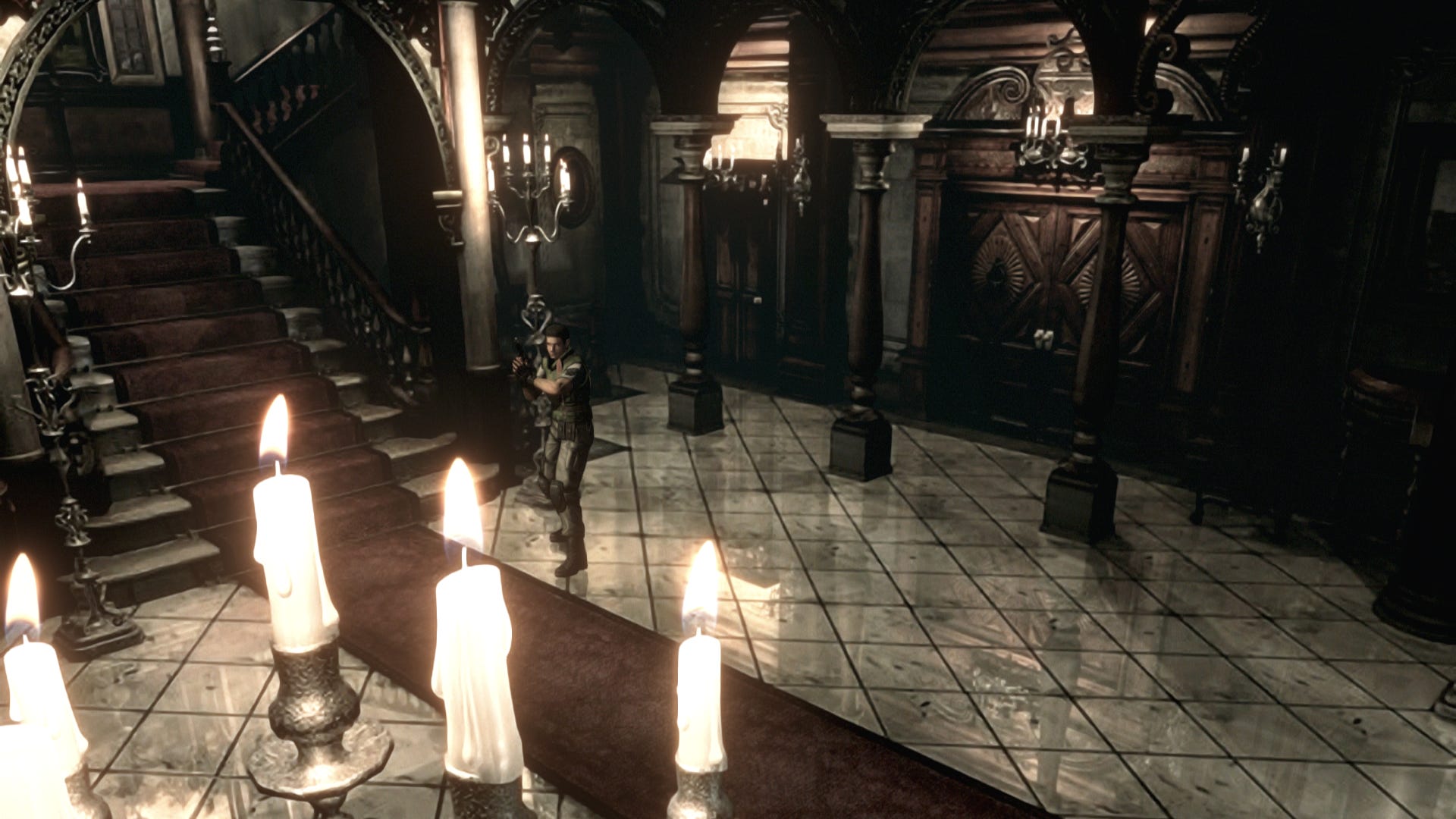
The 2002 GameCube original set a benchmark for visual design, and this HD remaster raises the bar even higher. Character models and enemy textures are rendered in crisp HD. However, the presentation can feel a bit inconsistent out of the box. Because the pre-rendered backgrounds were stretched from original 480p source files, some background textures can look out of place alongside the sharp modern character models. On top of that, Capcom left the pre-rendered FMV cutscenes un-remastered, meaning the compressed video sticks out like a sore thumb.
On PC, the remaster runs at a locked 60 FPS, providing a massive, responsive upgrade over legacy console versions, easily doubling the original GameCube’s 30 FPS target.
Gameplay & Core Mechanics
Regardless of age, the core design remains peak survival horror. Tight inventory management, deliberate pacing, genuine tension, and item scarcity force you to evaluate every decision.
Rather than a simple visual coat of paint, the 2002 remake completely overhauled the 1996 original by expanding the estate with new areas, altered puzzles, and rearranged item placements designed to trick veteran muscle memory. It also folded in memorable elements from Resident Evil Director’s Cut, such as Forest Speyer rising as a zombie on the balcony and the satisfying addition of handgun critical headshot multipliers.
Beyond that, it brought in the best quality-of-life upgrades from Resident Evil 2 and Resident Evil 3:
Visual Health Cues: Characters actually limp and clutch their sides as health drops, so you don’t have to open the status menu. While the status screen UI is clean and functional, it lacks the distinct charm of the original 1996 inventory screen.
Dedicated Personal Items: Personal gear, specifically Jill’s Lockpick and Chris’s Lighter, live in dedicated slots instead of eating up precious inventory space.
Defense Items: Equippable daggers, stun grenades, and the self-defense taser give you vital, consumable countermeasures when you get grabbed by a zombie or hunter.
Fluid Traversal: The awkward stair-loading screens from the original are gone, letting you run freely up and down stairs, while RE3’s 180-degree quick-turn doubles your combat responsiveness.
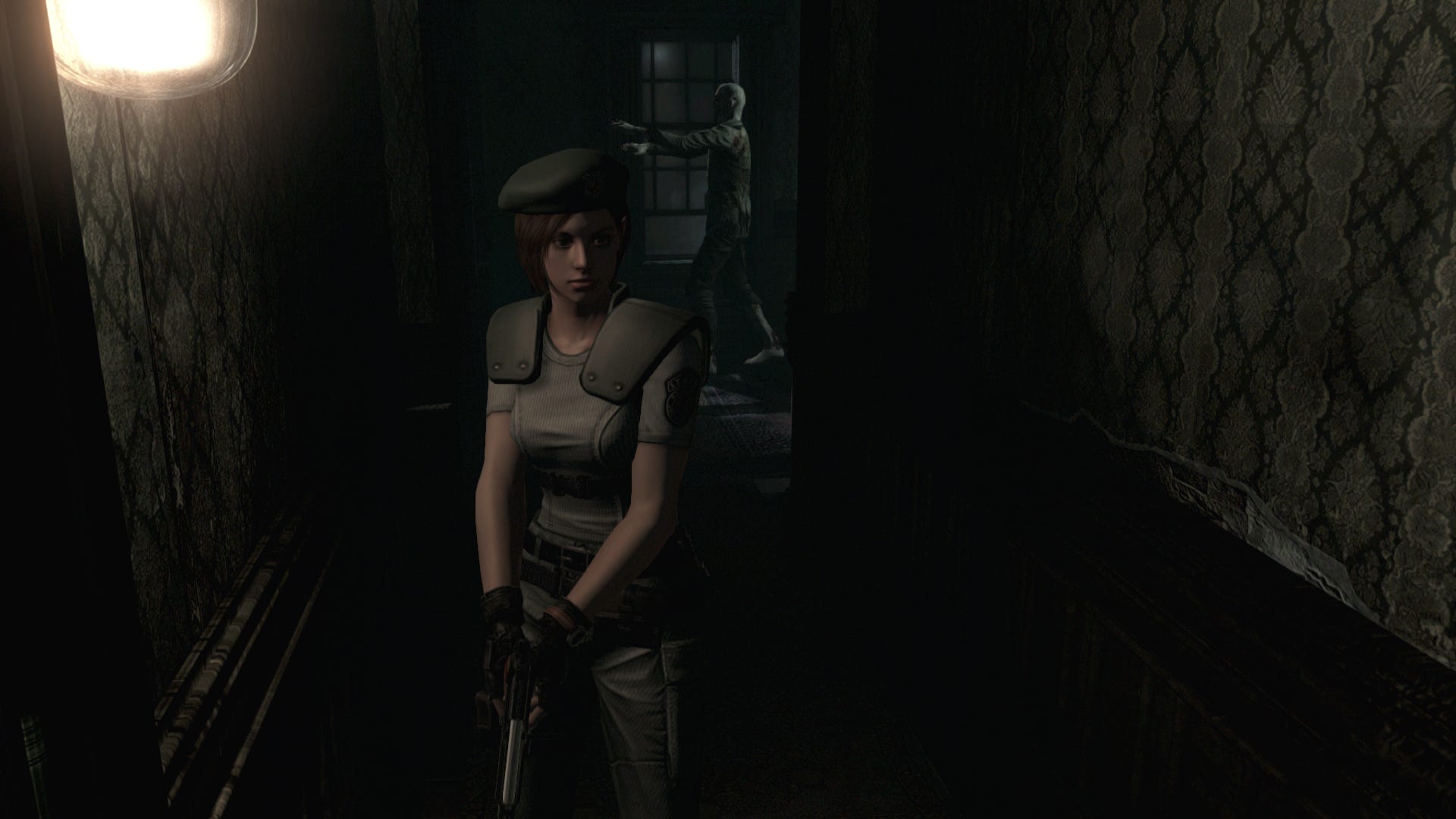
The 2015 HD Remaster pushes things further by adding an optional modern control scheme. By mapping omnidirectional movement to the analog stick, speed is tied to how far you push it. A gentle tilt walks you forward, while pressing it all the way down triggers a full sprint without holding an extra button. It completely bypasses old tank-control pivot delays, letting you dodge and maneuver smoothly through tight hallways while keeping the classic cinematic fixed camera angles intact. However, tank controls are still available for purists.
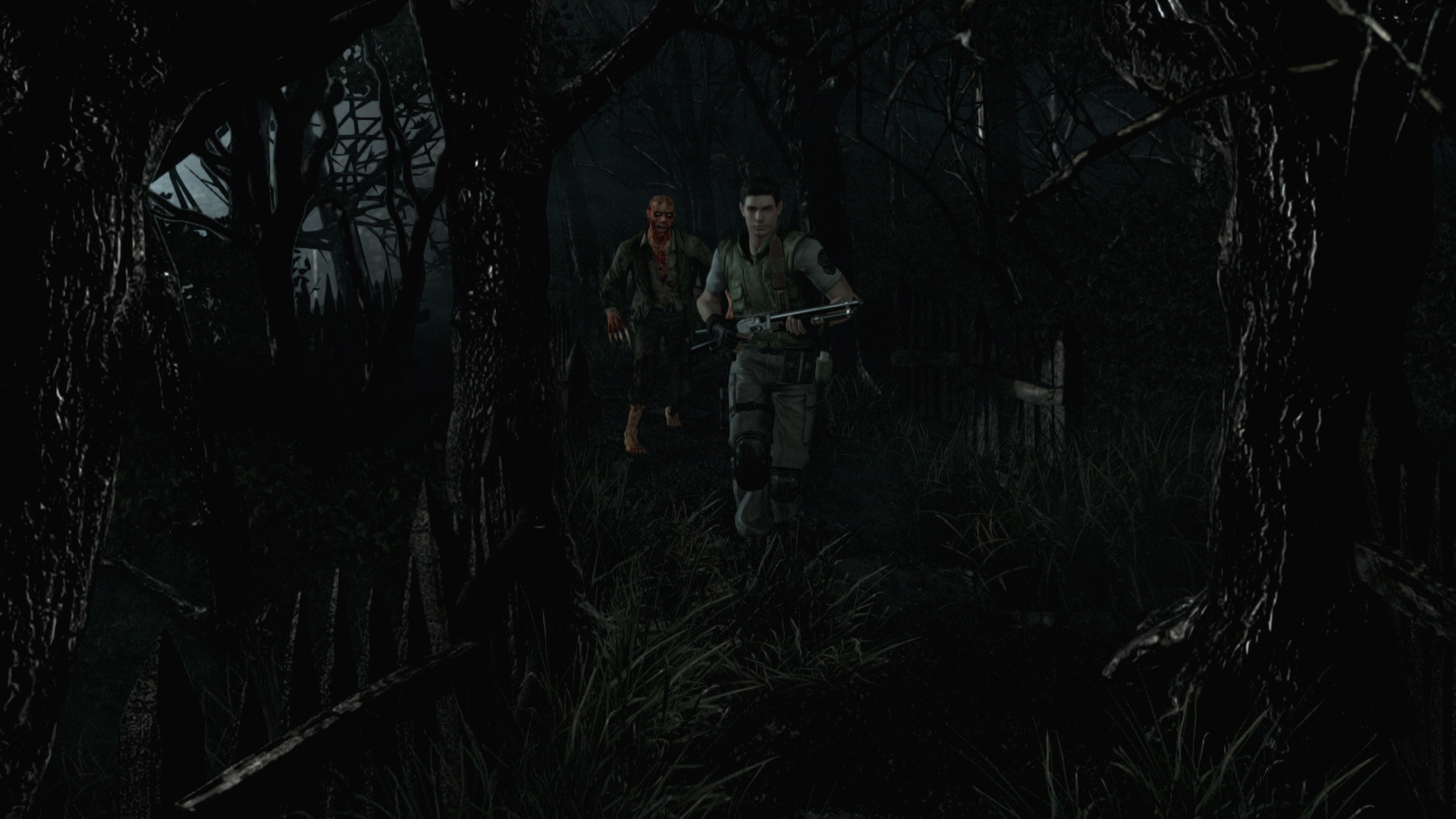
The introduction of Crimson Heads remains a fantastic gameplay element. Any downed zombie that isn’t decapitated or burned with the lighter and kerosene will eventually revive as a faster, far more lethal Crimson Head. Because headshot criticals are never guaranteed, every single zombie encounter faces a tactical dilemma:
Do you use ammo and spend precious kerosene on a zombie in a high-traffic hallway?
Or do you attempt to run past them, saving your supplies but risking damage?
Enemies feature sharper AI pathfinding, and zombies can now actually open doors to follow you between rooms, stripping away the old safety net of loading zones. Boss fights were completely rebuilt to be tougher and more demanding. The arsenal expanded too, introducing new hardware like the custom Samurai Edge pistols and the powerful Assault Shotgun. Other weapon tweaks include swapping standard explosive rounds for Incendiary and Acid rounds on Jill’s Grenade Launcher, where choosing between burning corpses or saving acid for bosses adds great tactical depth. And while handguns are still humorously mislabeled as automatic pistols, at least Capcom finally fixed the old ‘Bazooka’ mistranslation of the Grenade Launcher.
Story, Lore, & Worldbuilding
The story gets a massive glow-up compared to the original PS1 release. While the 1996 classic leaned hard into B-movie camp, this version fleshes out the lore substantially.
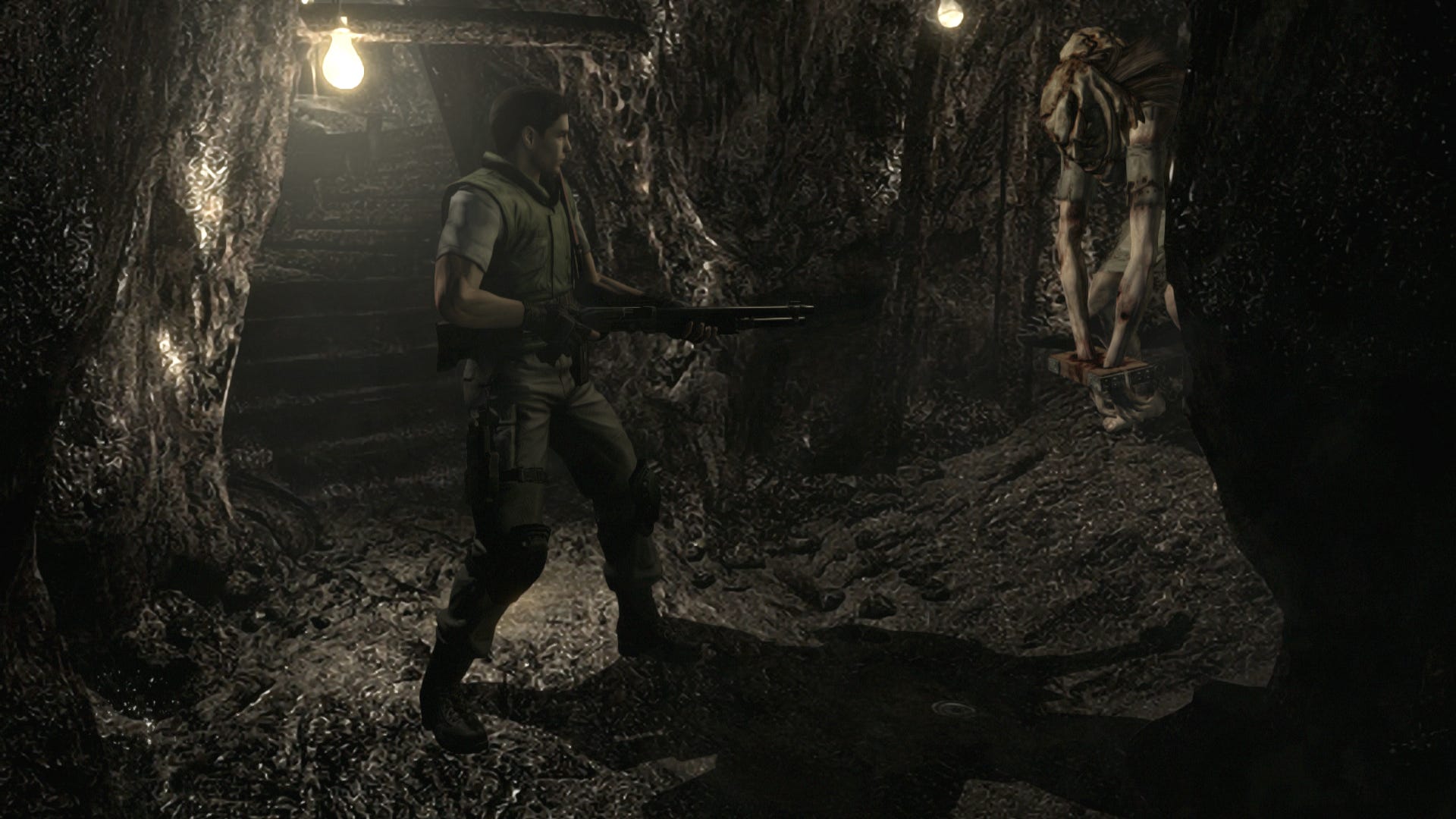
The tragic subplot surrounding Lisa Trevor, a terrifying, unkillable stalker who hunts you during specific parts of the story, adds genuine emotional gravity and dread to the mansion. Piecing together the journals left behind by victims of the Incident delivers a narrative punch that still hits hard today.
Audio, Sound Design, & Music
The audio presentation is stellar. Voice acting was completely re-recorded for a much more grounded, serious tone. It is a dramatic improvement over the original release, though some of the dialogue can still feel a tad wonky and melodramatic in classic Resident Evil fashion. The legendary soundtrack was remastered to elevate the mansion’s oppressive atmosphere, highlighted by standout tracks like the iconic save room theme. Sound effects, from visceral creature noises to punchy weapon reports, are top-notch.
The only real downsides come from lost master audio tapes, which forced Capcom to use compressed files that can cause minor playback quirks or sped-up loops in isolated areas.

Value & Replayability
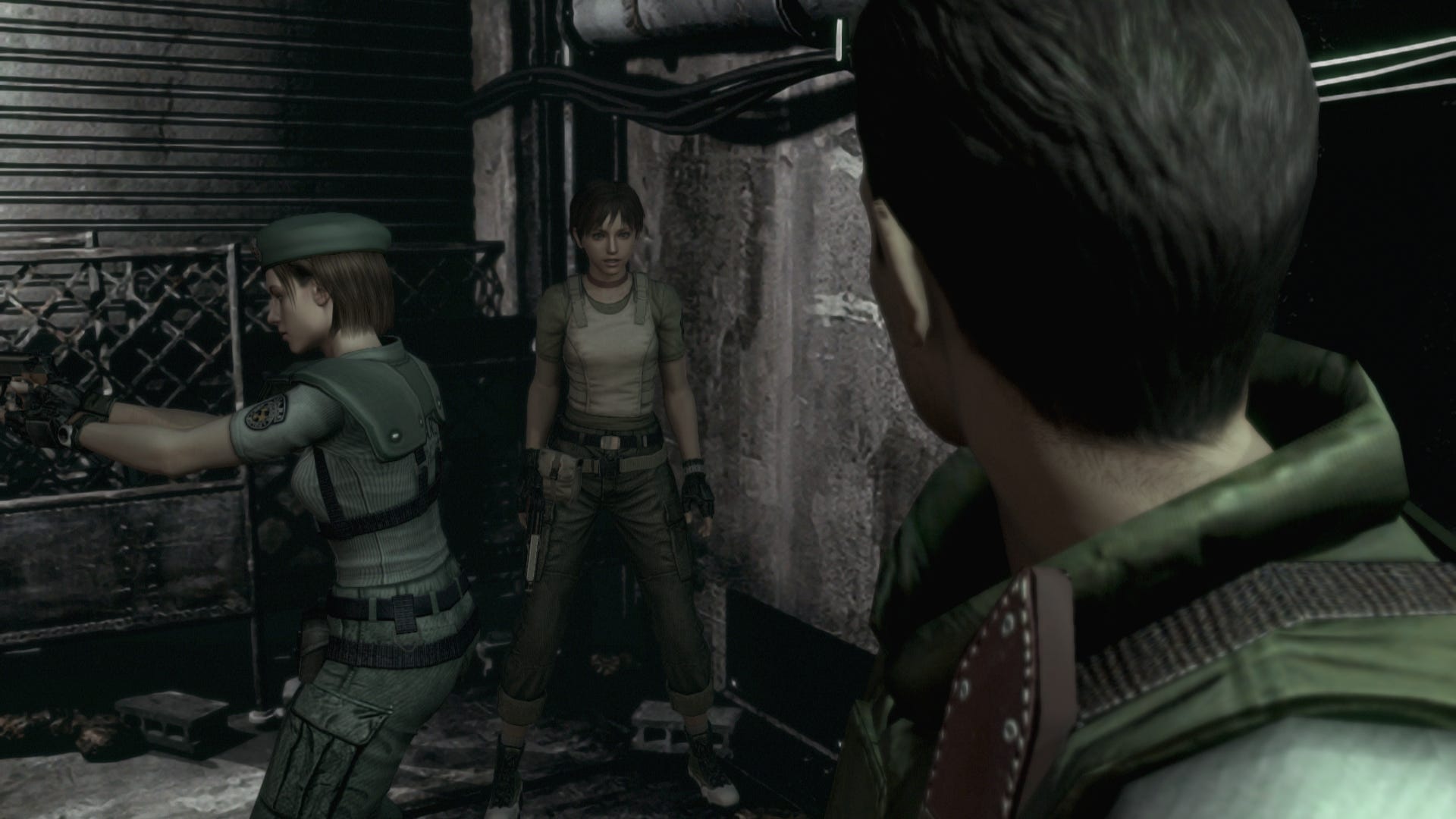
Playing as either Jill Valentine or Chris Redfield offers two distinct experiences. Each character manages inventory space, weapon access, and story interactions differently, keeping subsequent playthroughs engaging. Choosing Chris delivers a true hard-mode experience reminiscent of the 1996 original. He works with fewer inventory slots and lacks Barry Burton’s safety net to bail him out of deadly encounters. However, his campaign offsets these limits with key combat advantages. Chris absorbs more damage with a larger health pool, draws weapons faster, and lands critical handgun headshots more frequently. He also starts with a lighter, meaning he only needs one open slot for kerosene. Replayability is exceptionally high, boosted by unlockable modes, bonus weapons, and full achievement support. Regularly discounted under $10, it’s an absolute steal.
Pros & Cons
Pros:
Survival Horror Masterpiece: Incredible tension, strict resource management, and brilliant enemy mechanics like Crimson Heads and door-opening zombies.
Refined Gameplay: Great quality-of-life additions like visual health cues, personal item slots, defense items including the taser and stun grenades, seamless stair movement, and quick-turns.
Modernized Movement: The alternate control scheme offers fluid, omnidirectional analog control without messing up the fixed camera angles.
Substantial Narrative Depth: Expanded lore, significantly improved voice work, and the tragic Trevor family storyline.
Expanded Arsenal: Great additions like the Samurai Edge and Assault Shotgun.
Fluid Performance: Locked 60 FPS performance on PC, blowing past legacy console targets.
Stellar Audio Design: Punchy gun audio, great creature sounds, and an iconic save room theme.
Cons:
Inconsistent Visuals: Pre-rendered backgrounds display resolution limits, and FMV cutscenes remain un-remastered out of the box.
Base Audio Compression: Lost master tracks forced Capcom to use compressed audio files, leading to minor track speed or skipping glitches in vanilla builds.
Verdict & Paladin Index Scorecard
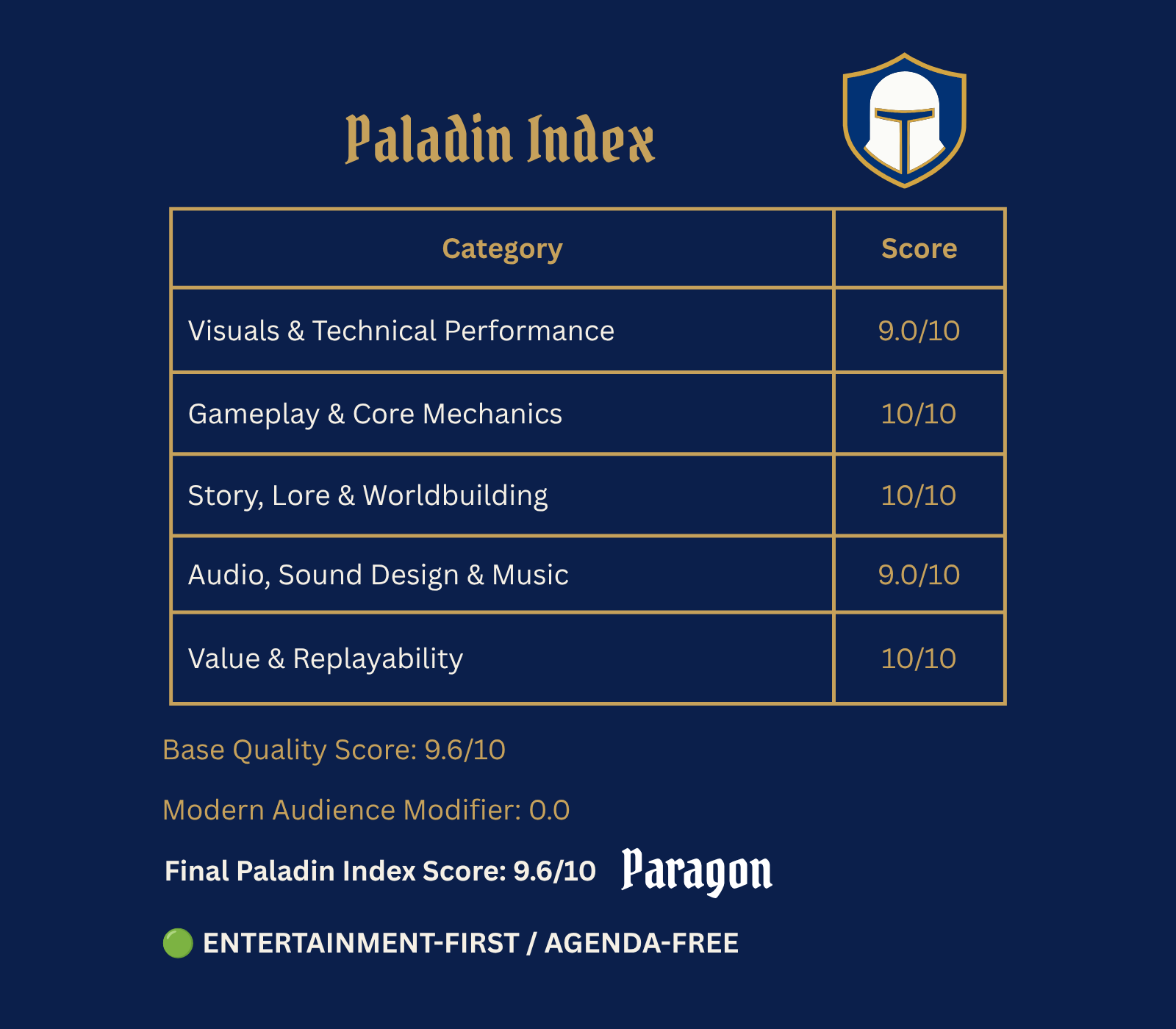
Resident Evil HD Remaster stands as a monumental achievement in game design. By swapping the original’s campy B-movie feel for a darker, more serious tone, the remake delivers an uncompromising vision of survival horror that has aged flawlessly. It doesn’t just preserve the legacy of a classic: it nearly perfects it.
When the Resident Evil remake originally debuted on GameCube back in April 2002, it was far more than a simple graphical touch-up. It set the gold standard for rebuilding a classic from the ground up, and decades later, it remains one of the greatest remakes ever made. Capcom expanded the Spencer Mansion, refreshed its puzzles, introduced lethal threats like Lisa Trevor and Crimson Heads, and overhauled its boss encounters.
While the 2015 HD Remaster has minor out-of-the-box hiccups, like compressed cutscenes and audio quirks, PC players can easily fix them with community mods. Delivering a silky-smooth 60 FPS, full achievement support, and a DRM-free release, the GOG version reigns supreme. It takes an all-time classic and gives it the modern preservation it deserves, earning the absolute highest recommendation.